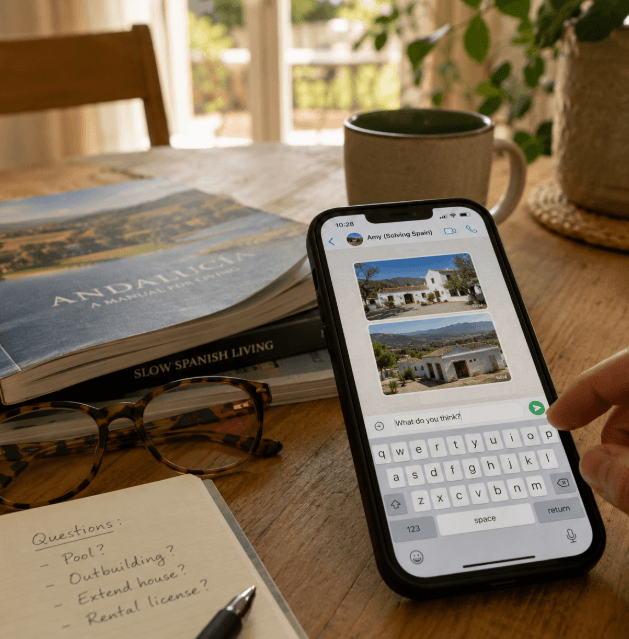
One thing that always makes me smile is how many conversations start with a WhatsApp message.
There’s rarely much written underneath. Usually it’s just three or four photographs and a simple question.
“What do you think?”
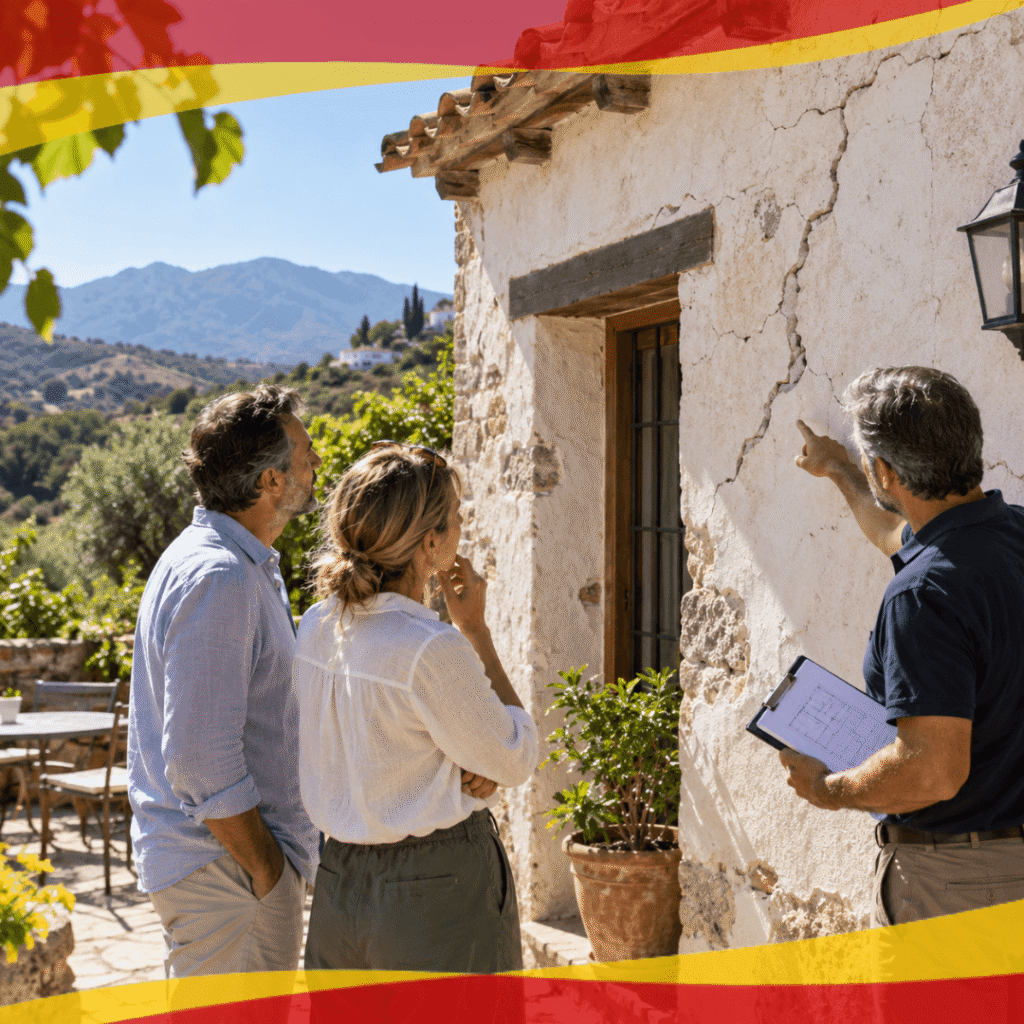
After a while you start spotting the little patterns. The first photograph is nearly always the view. Then there’s one of the front of the house, one of the kitchen and, quite often, a picture with a circle drawn around an old barn, a garage or a patch of land at the back.
By the time those photographs arrive, people have usually done a lot more than just find a property. They’ve imagined a different way of living. They can already see friends sitting on the terrace, family visiting in the summer and slow mornings looking out across the countryside with a coffee in hand.
I never want anyone to lose that excitement.
It’s one of the nicest parts of helping people buy property in Spain.
The questions don’t usually begin until a little later.
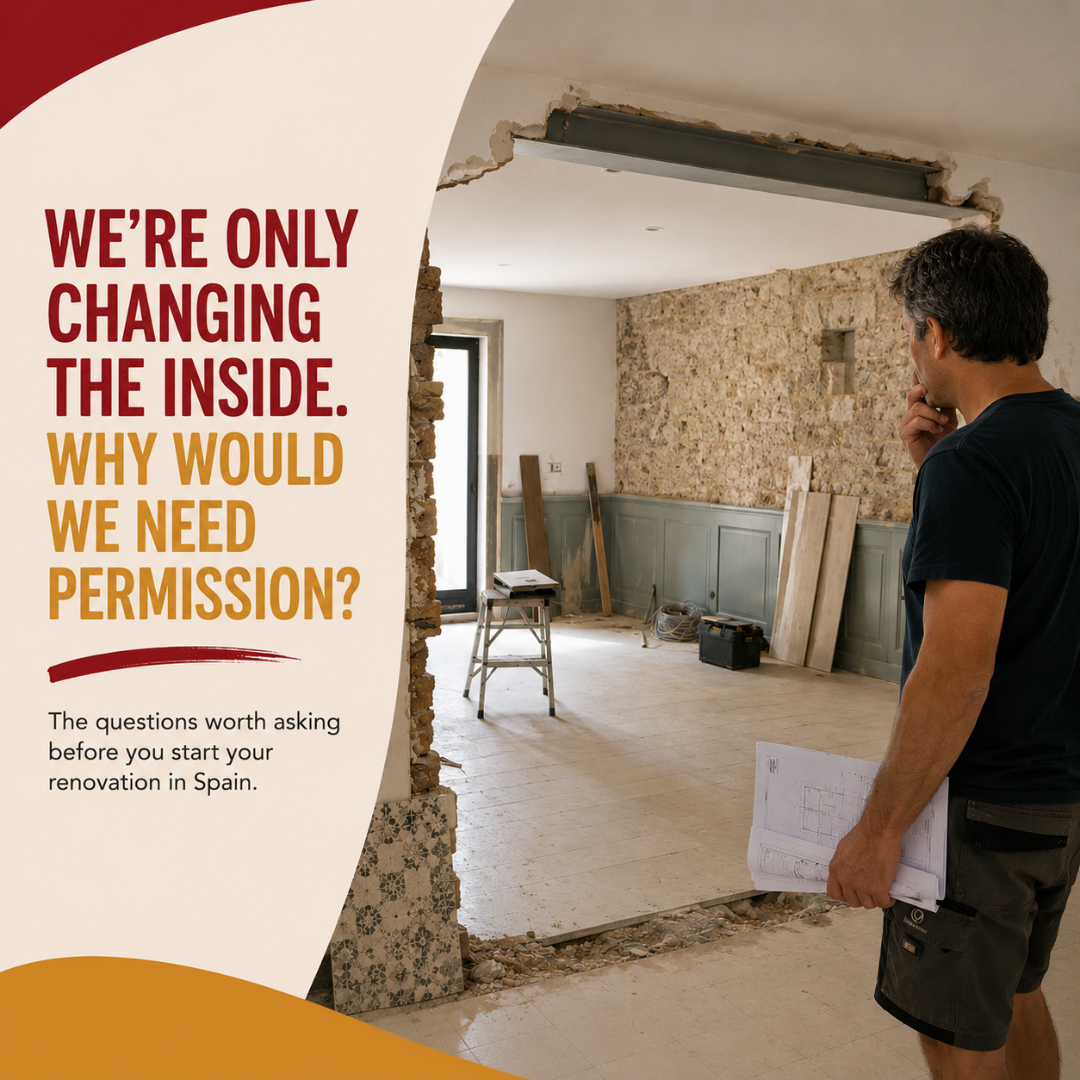
Sometimes it’s only a few days after the viewing. Sometimes it’s once the offer has been accepted. Every now and again it’s after someone has proudly shown the photographs to family, and one of them asks, “I wonder if you could turn that old building into a guest house?”
That’s often when our phone rings.
The first question is nearly always about something practical.
“Could we put a swimming pool there?”
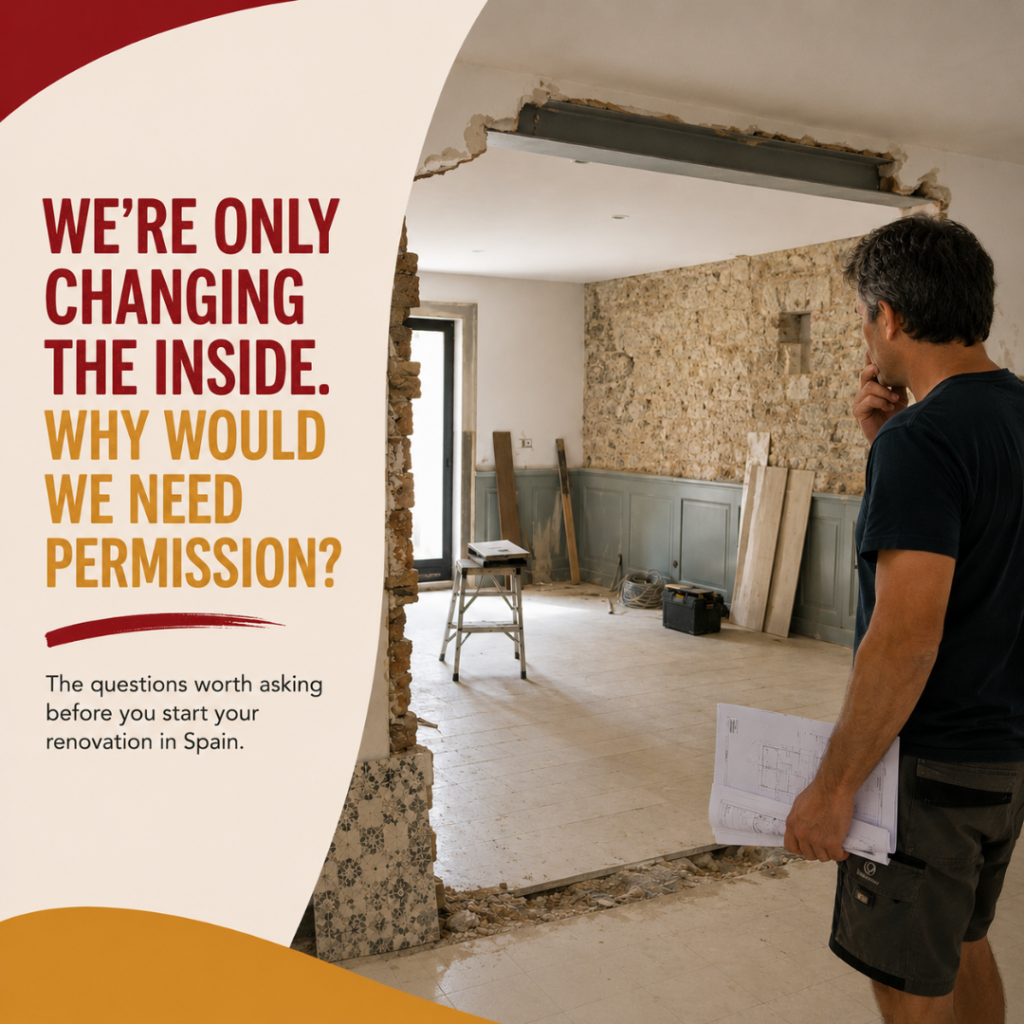
“Would it be possible to extend the house in the future?”
“The estate agent said the old stable could become another bedroom. Does that sound right?”
I’ve noticed over the years that people almost apologise before they ask these questions, as though they’re worrying about something they should already understand.
They shouldn’t.
The truth is, most people don’t buy rural property often enough to know which questions matter, and they’re certainly not expected to understand every planning rule or piece of paperwork that comes with it.
What they’re really trying to work out is whether the future they’ve started imagining is actually possible.
That’s a very different question.
One thing we’ve learnt over the years is that two rural properties can look remarkably similar and still have completely different stories.
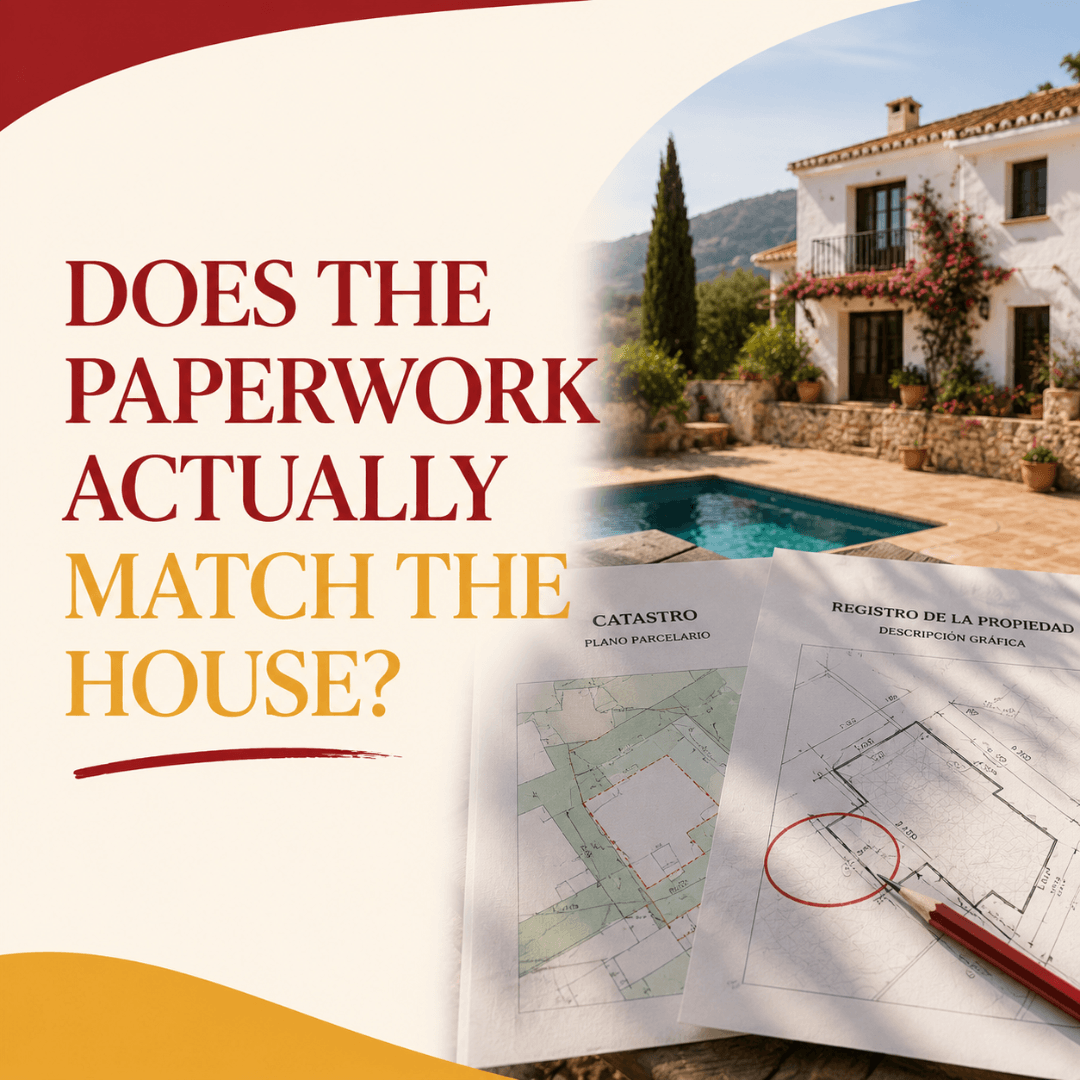
They might be only a few kilometres apart. The same whitewashed walls, the same olive trees and the same beautiful views. Yet one property might have a history that makes future changes relatively straightforward, while another needs much more careful thought before anyone starts making plans.
You can’t see that from the terrace.
You can’t usually see it in the estate agent’s photographs either.
It’s simply part of understanding the property properly before making decisions about it.
This is also the point where people often start collecting advice from lots of different places.
A neighbour says one thing because that’s what happened with their property years ago. Someone in a Facebook group has a completely different experience. An architect asks questions nobody else has mentioned, while a lawyer is looking at things from another angle altogether.
It’s no wonder people sometimes tell us they’re more confused than when they started.
The interesting thing is that all of those conversations can be perfectly valid.
They’re just not always answering the same question.
That’s one of the reasons people contact us before they commit to buying.
Not because we’re replacing architects, lawyers or surveyors. Quite the opposite.
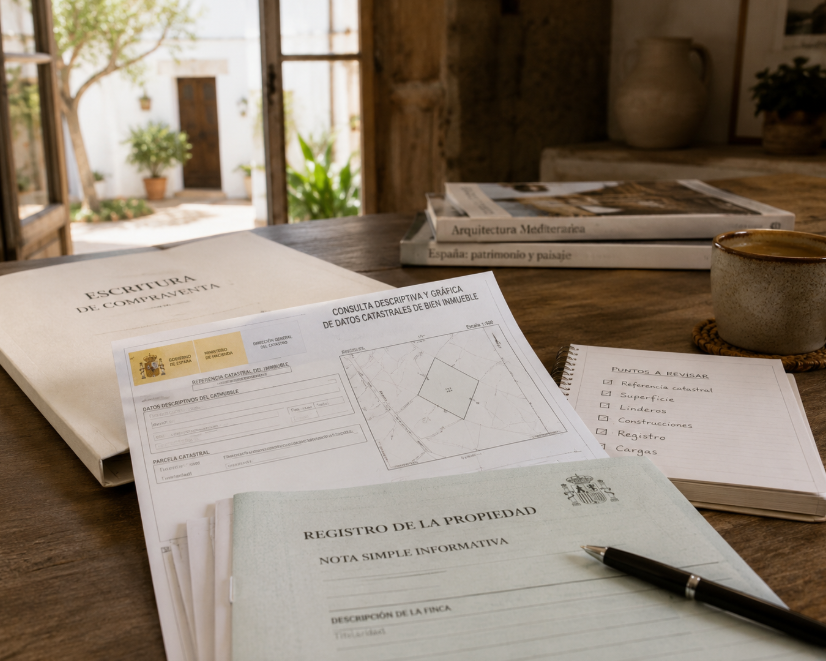
Our job is often helping people understand which questions need answering first, which professionals need to be involved and how all those different pieces fit together. Once that happens, everything else usually starts to make much more sense.
Every now and again, someone says to us, “I wish we’d had this conversation before we started looking.”
I understand why they say it, but I don’t actually think that’s true.
You need to find a property you love first.
Without that, there isn’t really a conversation to have.
The important thing is making sure the practical questions arrive before the commitment does.
That’s the moment where a little clarity can make a huge difference.
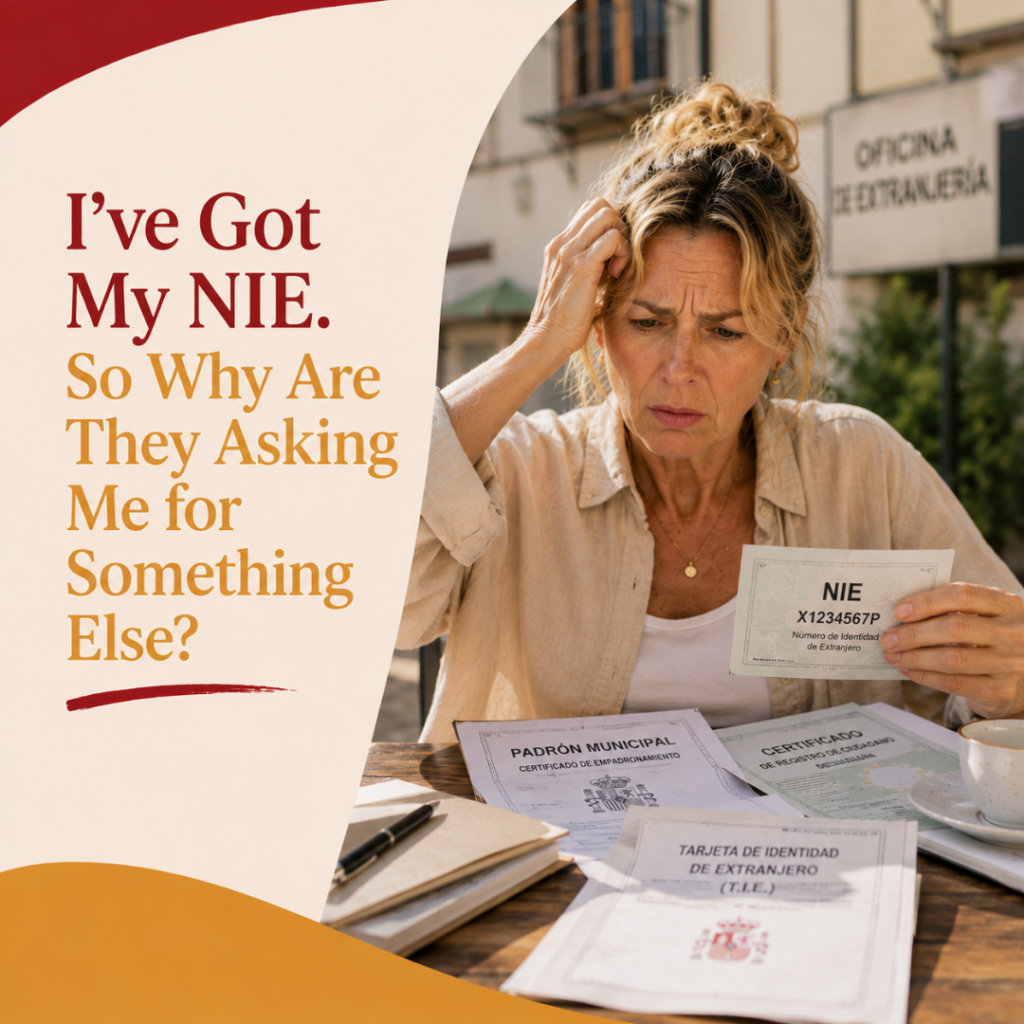
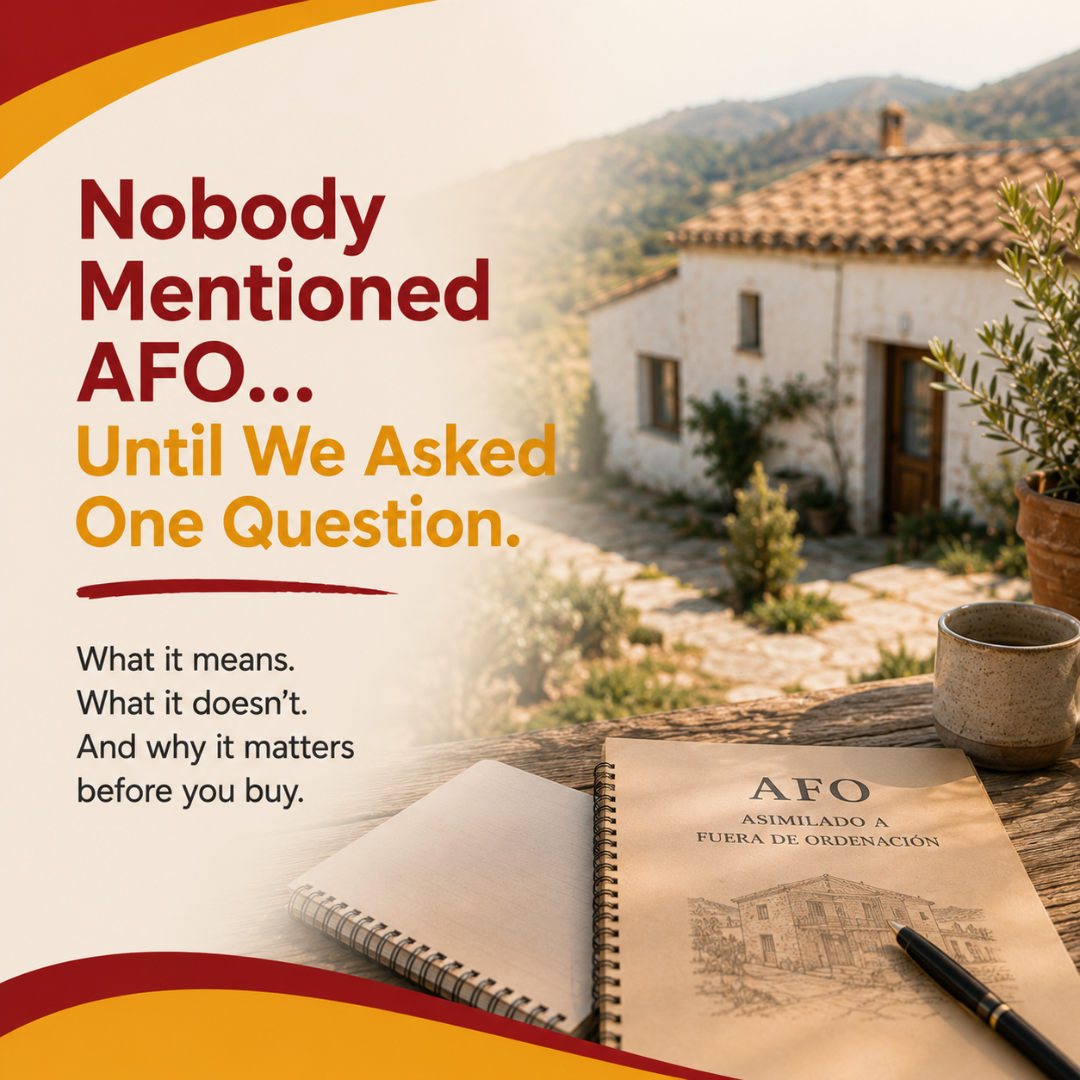
Quite often, those conversations introduce people to terms they’ve never heard before. One of the most common is AFO.
For many rural property owners, it’s something that doesn’t appear until they’re already thinking about renovations, extensions or buying a particular property. Until then, most people have never come across it, and there’s no reason they should have.
It’s one of those subjects that sounds far more complicated than it needs to be when nobody explains it properly.
That’s why, in our next article, we’re going to look at what AFO actually means, why it matters and, just as importantly, when it doesn’t.
Because like so many things in Spain, understanding the context is often far more valuable than simply learning another piece of terminology.
If you’ve found yourself looking at a rural property and wondering whether you’re asking the right questions, you’re certainly not alone. Most people aren’t looking for someone to make the decision for them. They simply want to understand the picture behind the photographs before they decide what happens next.
And that’s usually where our conversation begins.