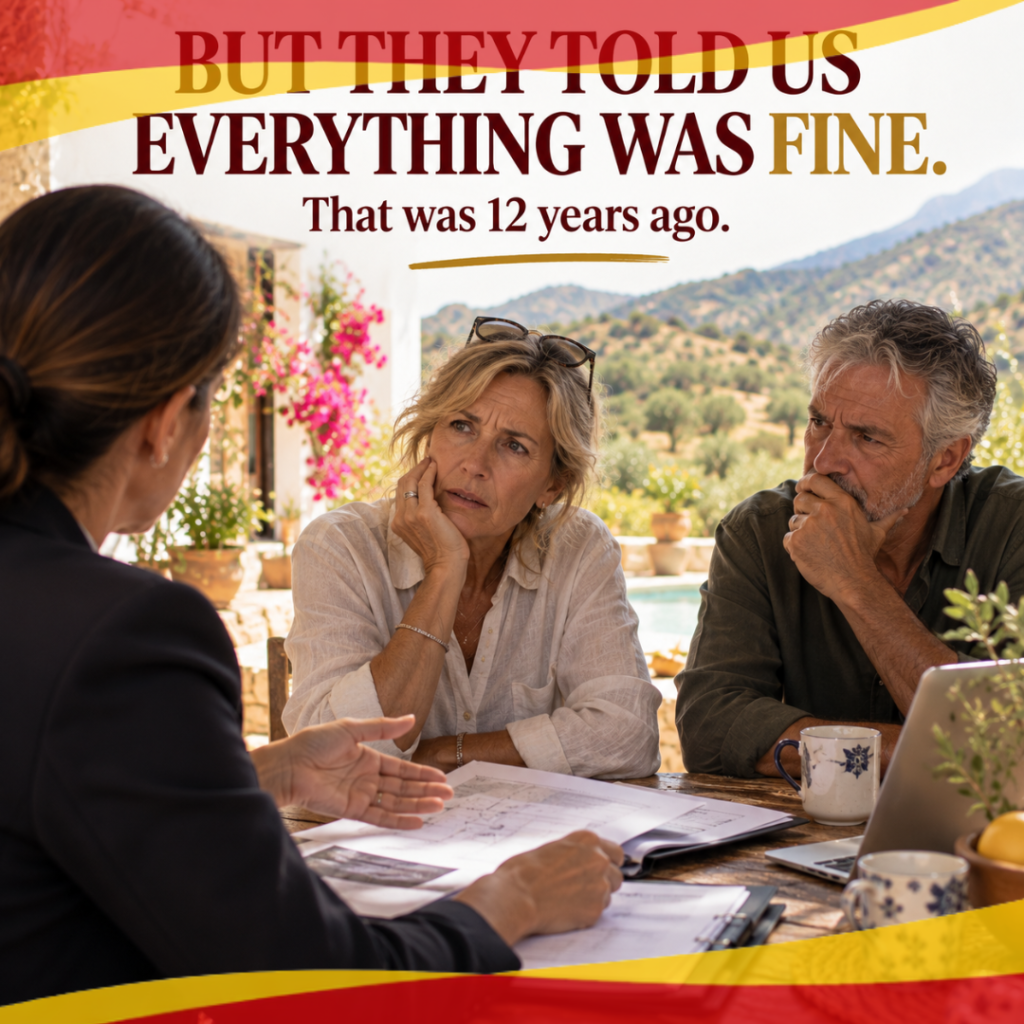
The viewing had gone better than expected.
The buyers stayed longer than most. They walked around the land twice, talked about where their friends could stay and stood by the pool looking back at the house for quite a while. By the time they left, everyone had that feeling that this might be the one.
A few days later, an offer arrived.
There was some back and forth, a price was agreed and suddenly the owners could begin making their own plans. After months of wondering when the right buyer might appear, the difficult part seemed to be over.
Then came an email.
The buyer’s lawyer had a question about the property paperwork.
Had the seller got the AFO?
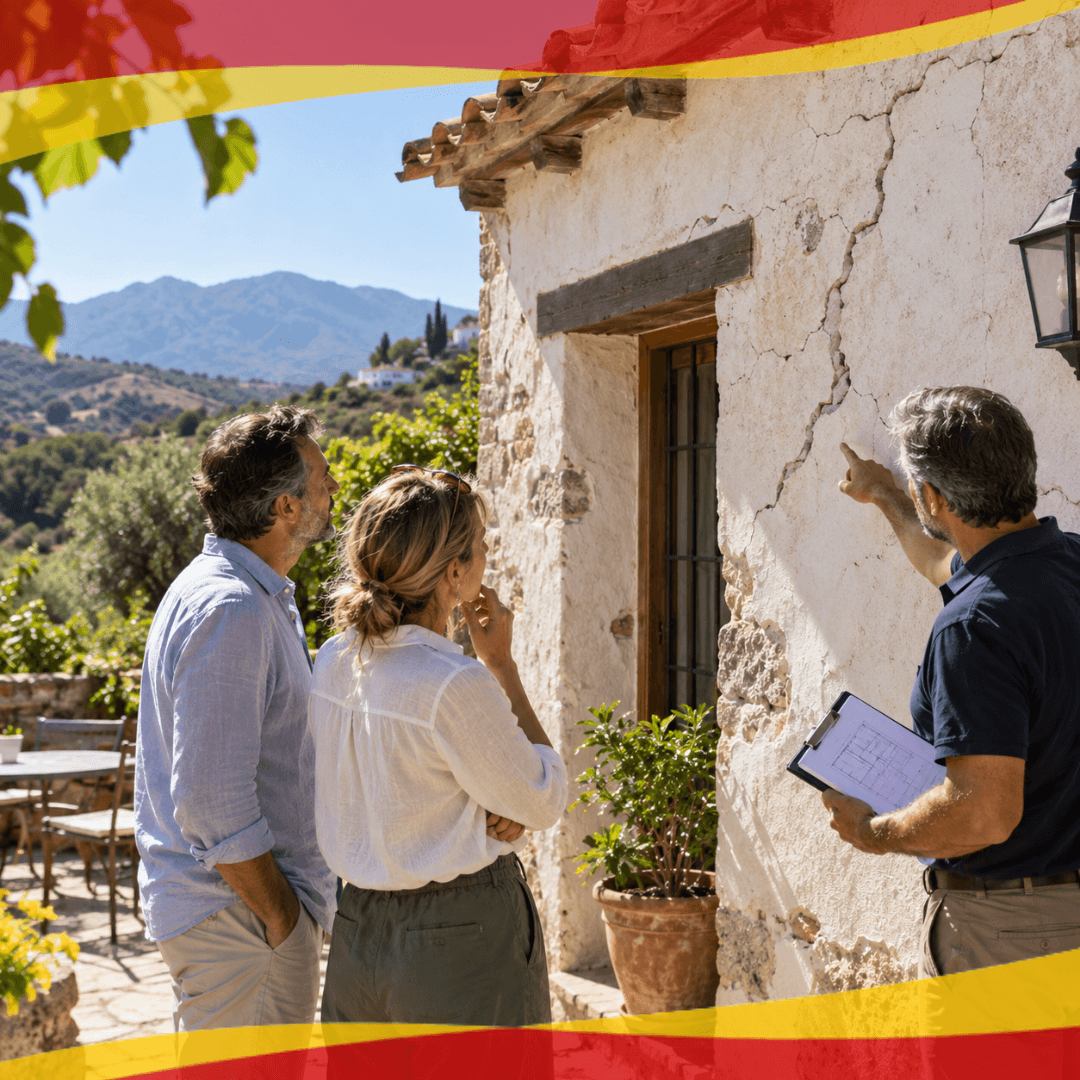
Sometimes it isn’t phrased quite like that. It might begin with a question about an extension, the pool, a separate building or the planning status of the house. An architect may have noticed something when comparing the physical property with the documents. Something doesn’t quite join up.
But the effect on the seller is often the same.
Why is this only coming up now?
The house has been there for years. They’ve owned it without any apparent difficulty. They may even have bought it through exactly the same process their buyer is going through now.
And, until yesterday, they had a buyer who seemed completely happy.
The buyer hasn’t suddenly stopped loving the house
This is worth understanding because sellers can understandably become frustrated when questions start arriving after an offer has been accepted.
From their side, it can feel as though the buyer is suddenly looking for problems.
Usually, that isn’t what is happening.
Making an offer and carrying out due diligence are two different stages of buying a property. The buyer can still love the view, the garden and the little casita at the bottom of the land while their professional advisers are asking what that casita actually is on paper.
In fact, the more unusual the property, the more likely there are to be questions.
Rural houses in Andalucía don’t always have beautifully simple histories. Buildings have been extended. Agricultural stores have changed use. Pools have appeared. Terraces have been covered. Owners have come and gone, and what exists physically today may have developed over many years.
An AFO is one of the mechanisms within Andalusian planning law for dealing with certain completed irregular buildings where the legal conditions for that status are met. Recognition is handled by the Town Hall and establishes the particular regime that applies to the building.
It is not, however, the same thing as legalising it.
That distinction matters, but when you’re selling, there is an even more immediate question.
What does the buyer need to know in order to keep moving forward?
That is usually where the atmosphere changes.
Before the offer, the property was somebody’s home.
After the offer, it is also the subject of a legal and technical investigation.
Things that haven’t mattered in day-to-day life for fifteen years can suddenly matter quite a lot.
A paperwork question can become a negotiating question
We’ve seen this happen with sellers who had absolutely no intention of concealing anything.
They genuinely believed their property was ready to sell.
Then a question was raised, more information was needed and the transaction slowed down while everybody tried to establish the position.
That delay creates a different problem.
Uncertainty.
A buyer who understands what they’re buying can make a decision. They may decide they’re perfectly comfortable with the situation. They may want more information. They may decide something needs to be resolved before completion.
What is much harder is asking them to wait without being able to tell them exactly what they are waiting for.
A week becomes three weeks. Somebody needs to find an old document. An architect needs to visit. The Town Hall needs to be consulted. One answer produces another question.
Meanwhile, the buyer has time to think.
They may begin wondering what else hasn’t been checked. Their lawyer may advise caution. If they need a mortgage, another layer of scrutiny may appear. The certainty everyone felt when the offer was accepted starts to soften.
And sometimes the conversation about paperwork becomes a conversation about price.
That doesn’t mean discovering an AFO issue automatically reduces the value of a property. There is no simple formula that says AFO equals X euros off the asking price, and it would be misleading to suggest there is.
But unresolved uncertainty can affect a seller’s negotiating position.
If a buyer knows the seller needs the transaction to continue and a property question has appeared halfway through the process, the balance of that conversation can feel rather different from the day the offer was accepted.
This is why we are increasingly encouraging sellers of rural property to turn the usual selling process around.
Don’t wait for the buyer’s professionals to be the first people who look closely.
Do it yourself.
Find the awkward question before somebody else does
Before the photographs are taken, before the listing goes online and certainly before you’re celebrating an accepted offer, have a proper look at the property you’re about to sell.
Not just at the house.
At the paperwork.
What is registered? What appears in the Catastro? What planning documentation exists? If there is an AFO, what exactly does the recognition relate to? Does the property standing there today correspond with the information being relied upon?
If something doesn’t make sense, find out why.
That doesn’t mean every difference is a disaster. Nor does every rural property need an AFO. The circumstances of the individual building matter, which is precisely why guessing is rarely helpful.
Sometimes the result of checking is simply reassurance.
Everything is there. The relevant questions have answers. You can put the house on the market knowing that when a serious buyer starts looking more closely, you are ready for them.
Sometimes the checking uncovers something that needs work.
That may be frustrating, but discovering it before marketing gives you something extraordinarily useful.
Time.
Time to find old paperwork. Time for an architect to inspect the property. Time to establish whether an AFO is relevant. Time to speak to the Town Hall where necessary and understand what the next step actually is.
Most importantly, time to do those things without a buyer sitting on the other side of the transaction wondering whether to keep waiting.
This is one of the reasons Solving Spain’s work with sellers often starts well before there is a FOR SALE sign at the gate.
We can look at the property and the documents already available, identify where further professional advice is needed and coordinate with architects, lawyers, the Town Hall and other specialists as appropriate.
It isn’t about making a rural property look perfect on paper.
It’s about understanding what you’re selling before asking somebody else to buy it.
Because finding a buyer is a wonderful moment.
Finding the AFO question the following week is rather less so.
And if that question is sitting there quietly already, it is much better for you to ask it first.
If you’re considering selling a rural property in Andalucía, we can help you look at the paperwork and planning position before the property goes to market.
WhatsApp: +34 695 398 679
Email: info@solvingspain.com
Website: www.solvingspain.com