It usually starts with a conversation that sounds reassuring.
“The estate agent says everything is in order.”
Or perhaps:
“The lawyer hasn’t mentioned any issues.”
Sometimes it’s:
“The extension has been there for years, so I assume it’s all been dealt with.”
Most people don’t contact us because they’ve found a major problem.
More often, they contact us because something doesn’t quite add up.
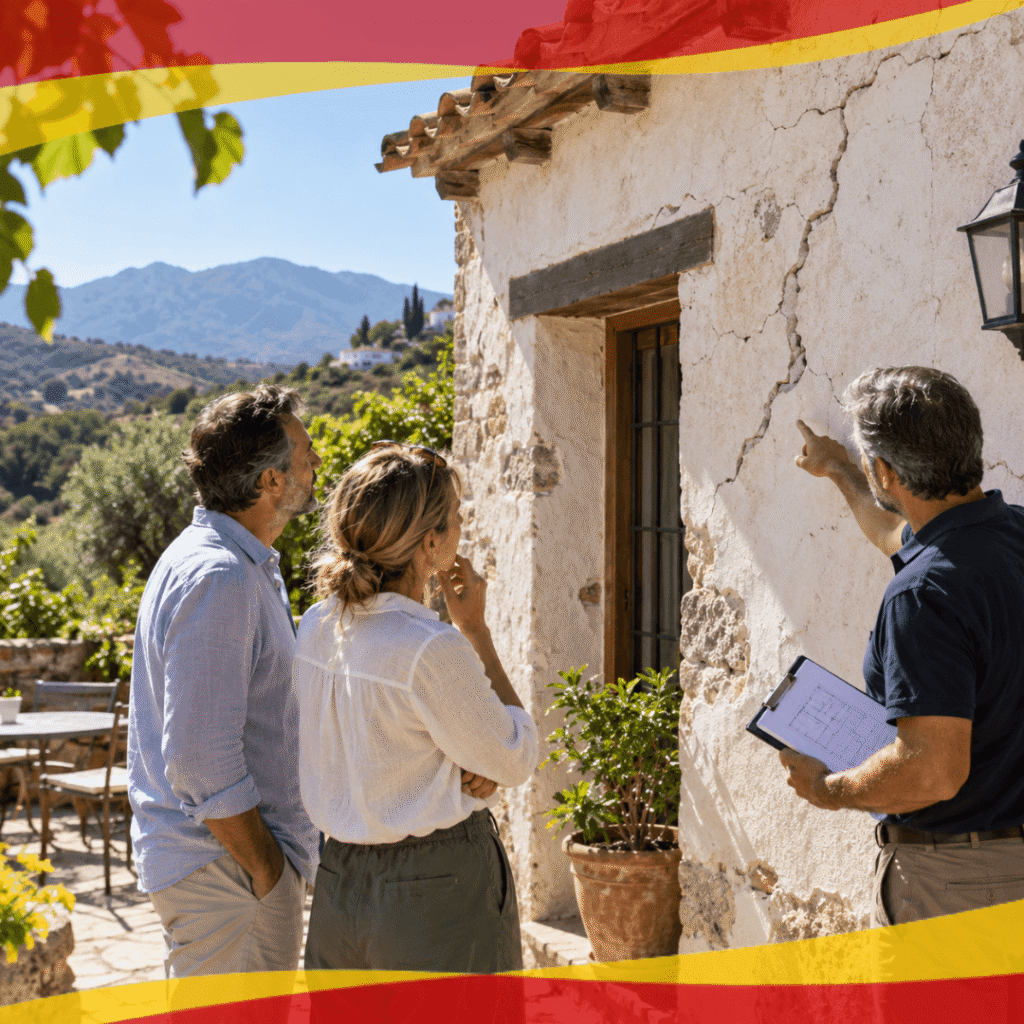
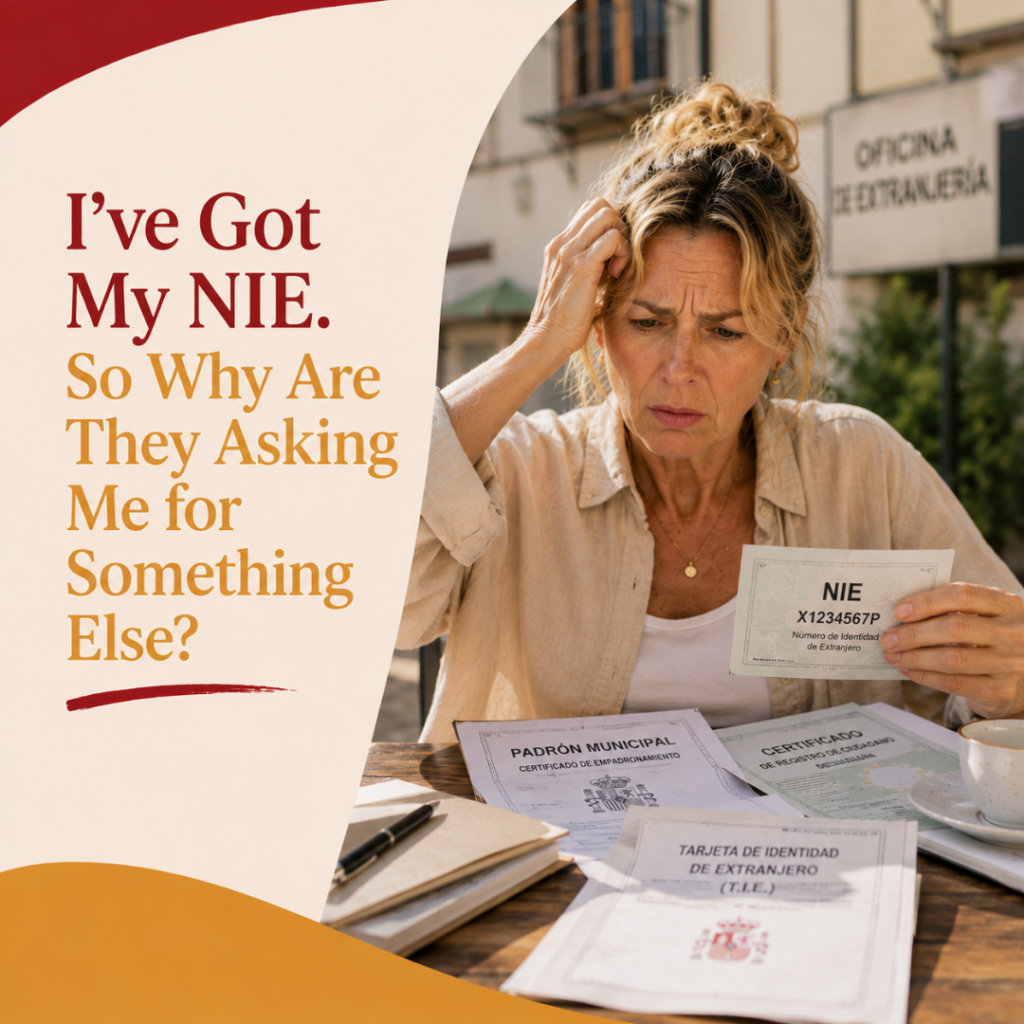
A document looks different from another one. A neighbour mentions something they’ve never heard before. An architect asks for paperwork they didn’t know existed.
It’s rarely one dramatic moment.
It’s a growing feeling that there might be another question they should be asking.
Property paperwork isn’t just one document
One of the biggest misunderstandings we see is the idea that a property’s paperwork is a single file somewhere, containing everything anyone needs to know.
In reality, a property is often linked to several different records.
Each exists for a different reason.
Each may have been created at a different time.
Each may be updated by a different organisation.
When they all tell the same story, that’s reassuring.
When they don’t, it doesn’t automatically mean something is wrong. But it does mean it’s worth understanding why.
Different documents answer different questions
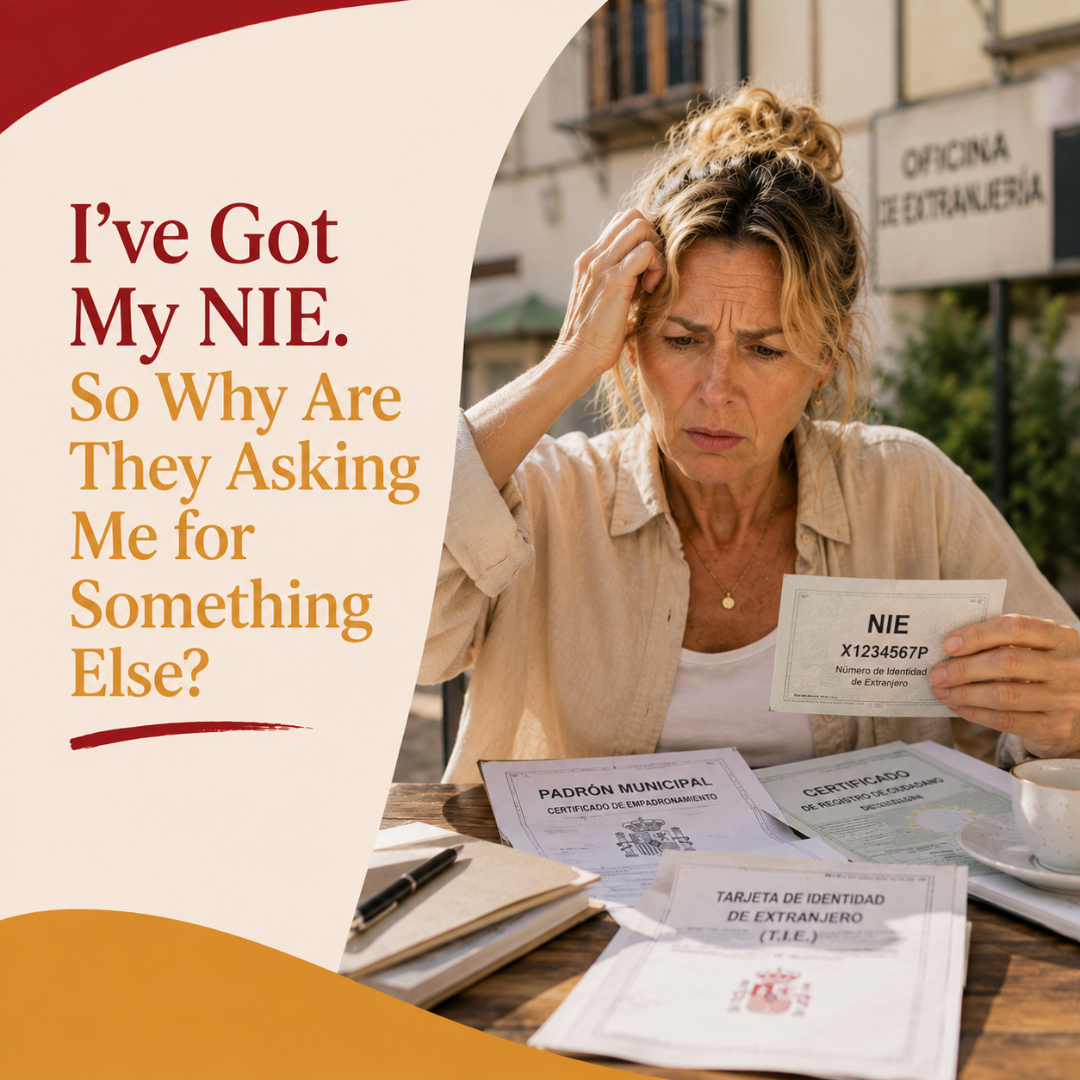
People are often surprised to learn that there isn’t one document that confirms everything about a property.
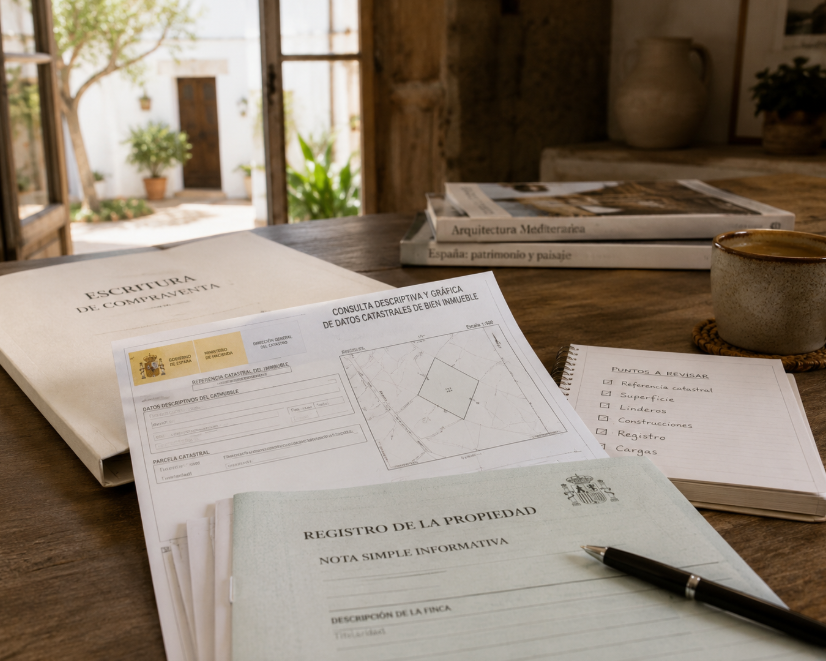
The title deeds record the legal transaction.
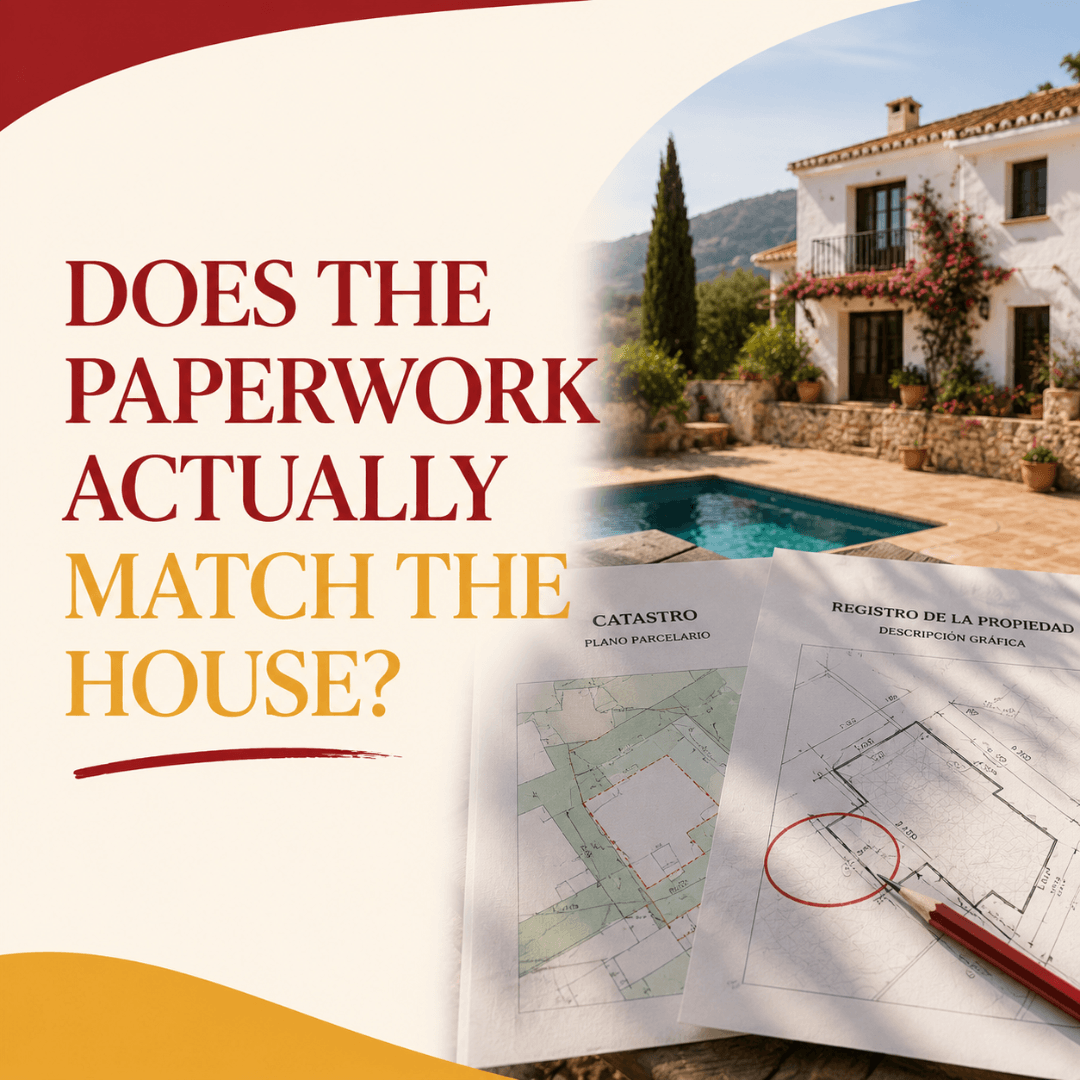
The Property Registry records ownership and certain legal rights.
The Catastro records information used primarily for taxation and administration.
Planning documents, licences and technical reports tell their own part of the story.
Each has a purpose.
They aren’t duplicates of one another.
That’s why it’s possible for one document to describe a property slightly differently from another.
Sometimes it’s something simple, such as an outdated floor area.
Sometimes an extension appears in one record but not another.
Sometimes a boundary shown on a plan doesn’t match what exists on the ground.
These differences don’t always prevent a purchase or a sale.
But they are worth understanding before they become someone else’s question.
The paperwork often matters later, not sooner
One thing we’ve noticed over the years is that paperwork issues rarely appear at the moment people expect.
Buying a property is exciting.
Once an offer has been accepted, it’s natural to focus on surveys, mortgages, removals and completion dates.
The paperwork can feel like something happening quietly in the background.
Ironically, that’s often when the most important questions begin.
Many discrepancies only come to light years later.
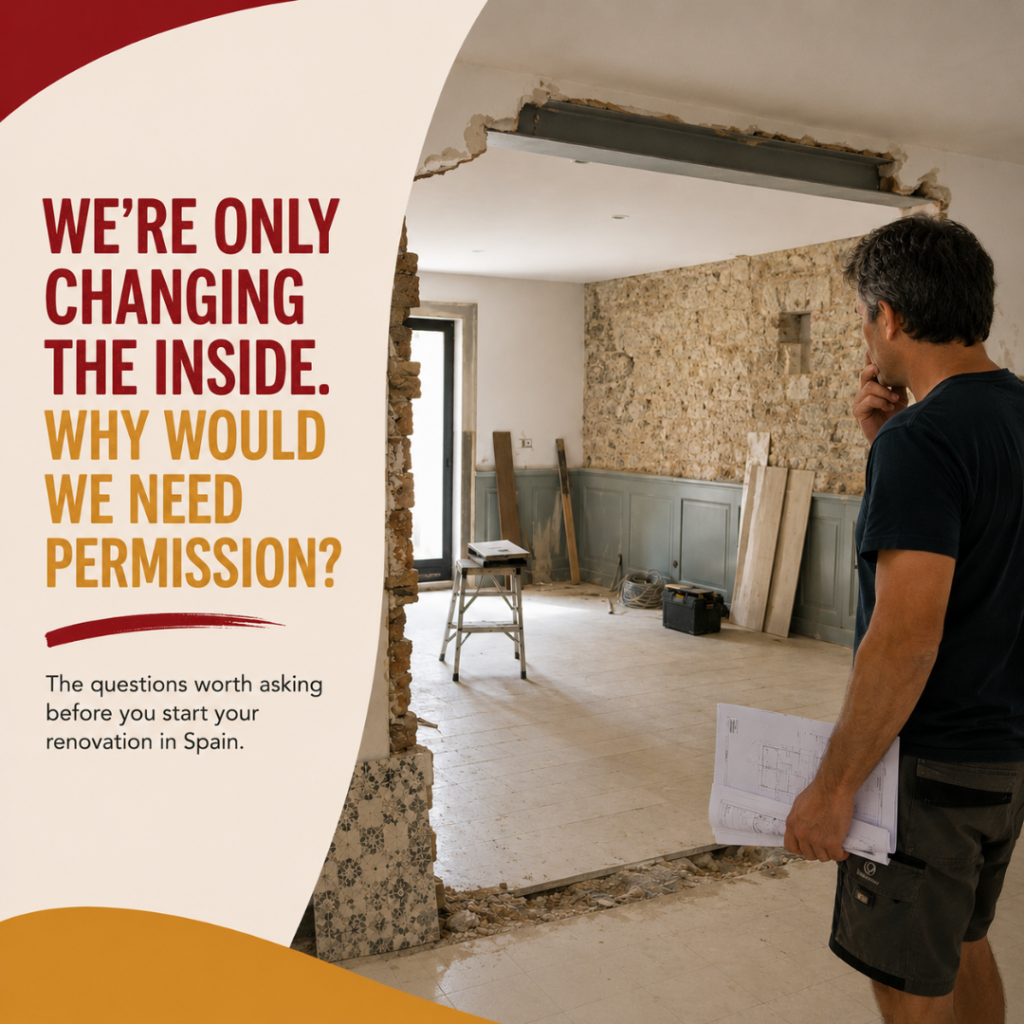
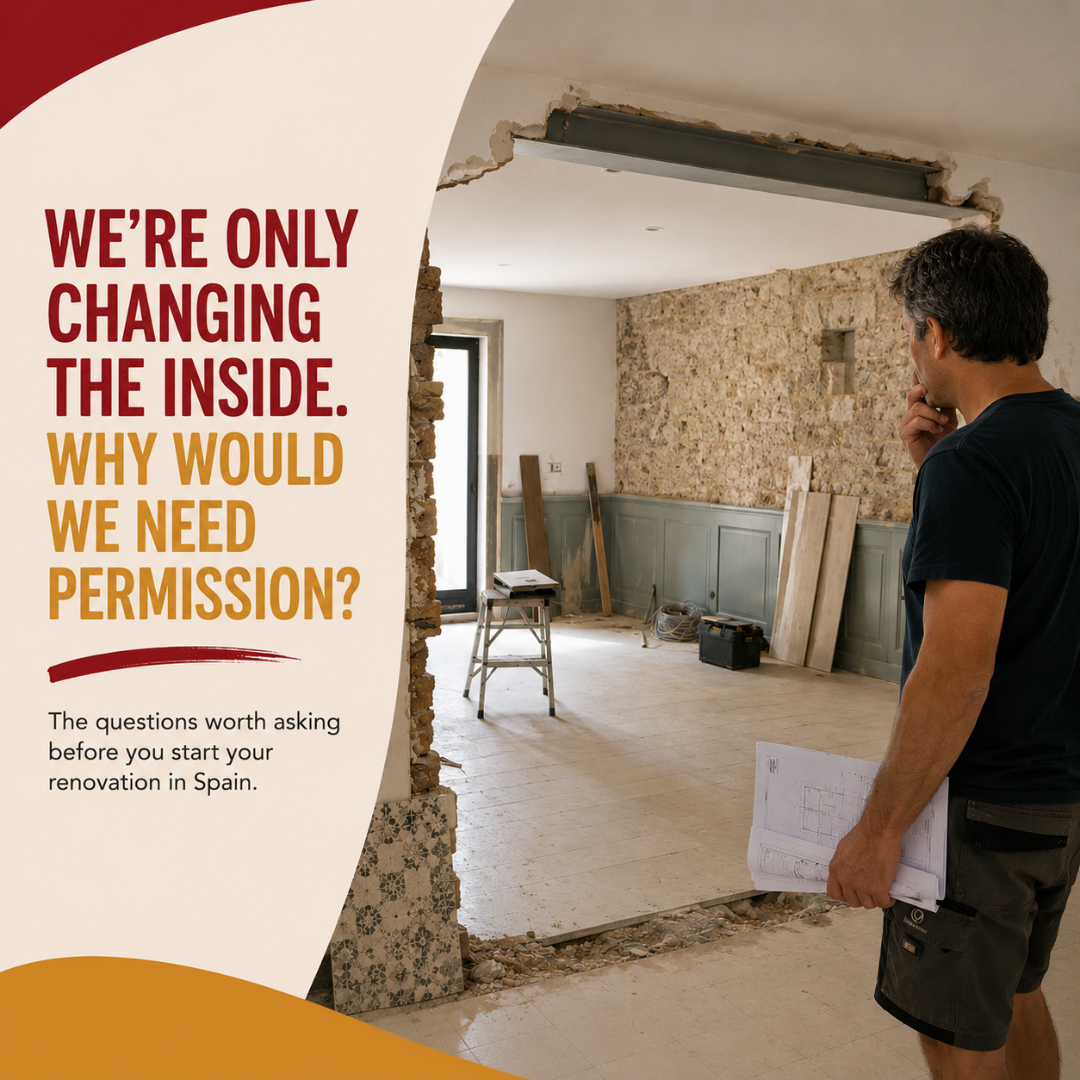
Perhaps the owner wants to renovate.
Perhaps they’re preparing to sell.
Perhaps they want to leave the property to family.
Or perhaps a buyer asks for documents that nobody has looked at since the day the property was purchased.
The paperwork hasn’t suddenly changed.
The situation has simply reached a point where those details now matter.
Why assumptions can become expensive
It’s easy to assume that if a property has been bought and sold before, everything must already be correct.
Sometimes that’s true.
Sometimes it isn’t.
Every professional involved in a property transaction has a different role.
An estate agent markets the property.
A lawyer advises on legal matters.
An architect deals with technical issues.
A surveyor assesses the building.
Each brings valuable expertise.
But none of them necessarily reviews every document from every possible perspective.
That’s one reason independent guidance can make such a difference.
Sometimes people don’t need more paperwork.
They simply need someone to help them understand how the paperwork fits together.
Buying isn’t the only time paperwork matters
It’s easy to think property paperwork is only important when you’re buying.
In reality, ownership creates its own questions.
We regularly speak to owners who have lived happily in their property for years before discovering they need additional documents for a renovation.
Others only discover a discrepancy when preparing to sell.
Some inherit a property and find themselves trying to understand records they have never seen before.
The property hasn’t changed overnight.
The questions have.
That’s why we often say that buying is only the beginning of the journey.
Owning a property in Spain brings different responsibilities at different stages, and understanding the paperwork makes those stages much easier to navigate.
What should you check?
Every property is different, so there isn’t one checklist that fits everyone.
But if you’re buying, selling or planning work on a property, it’s often worth understanding:
- whether the Property Registry and Catastro broadly reflect the same property;
- whether any extensions or alterations are properly documented;
- whether the available paperwork reflects the property’s current condition;
- whether there are any missing documents that could become important later;
- whether you understand what each document is actually telling you.
The aim isn’t to look for problems.
It’s to avoid surprises.
How Solving Spain helps
At Solving Spain, we spend much of our time helping people understand the story their paperwork is telling.
Sometimes that means reviewing property documents before someone commits to a purchase.
Sometimes it’s helping owners understand why different records don’t appear to match.
Sometimes it’s coordinating with trusted lawyers, architects, surveyors or other professionals when specialist advice is needed.
And sometimes it’s simply giving someone the confidence that they’re asking the right questions before moving forward.
Our role isn’t to create unnecessary concern.
It’s to replace uncertainty with clarity.
A little preparation usually goes a long way
Most paperwork issues don’t begin because somebody has been careless.
They begin because nobody explained why a particular document might matter later.
That’s one of the conversations we have most weeks.
A short discussion before buying, selling or renovating is often much easier than trying to resolve unexpected questions halfway through the process.
If you’re unsure whether your property’s paperwork tells the same story across all the relevant records, we’re always happy to help you understand what needs checking and what your next step might be.
WhatsApp: +34 695 398 679
Email: hola@solvingspain.com
Website: www.solvingspain.com