How one hidden void nearly derailed a property sale — and what a proper site visit changed everything.
Imagine selling your Spanish home from the other side of the world.
You bought it years ago with legal advice you trusted. You were told, clearly and confidently: “everything is fine.” So you relaxed. You enjoyed the property. You made memories. And when the time came to sell — from thousands of miles away in the southern hemisphere — you listed it with a reputable local agent and assumed the path ahead would be straightforward.
That is exactly where our Scottish seller found themselves.
And it is exactly the kind of situation that Solving Spain exists to untangle.
A Sale That Should Have Been Simple
The property had been on the market with Hola Properties, a diligent and experienced local agent who knows Southern Spain inside out. A Spanish couple — local to the area, excited, ready to plant roots — had fallen in love with it. Negotiations had gone well. Everyone was moving in the right direction.
Then the agent noticed something.
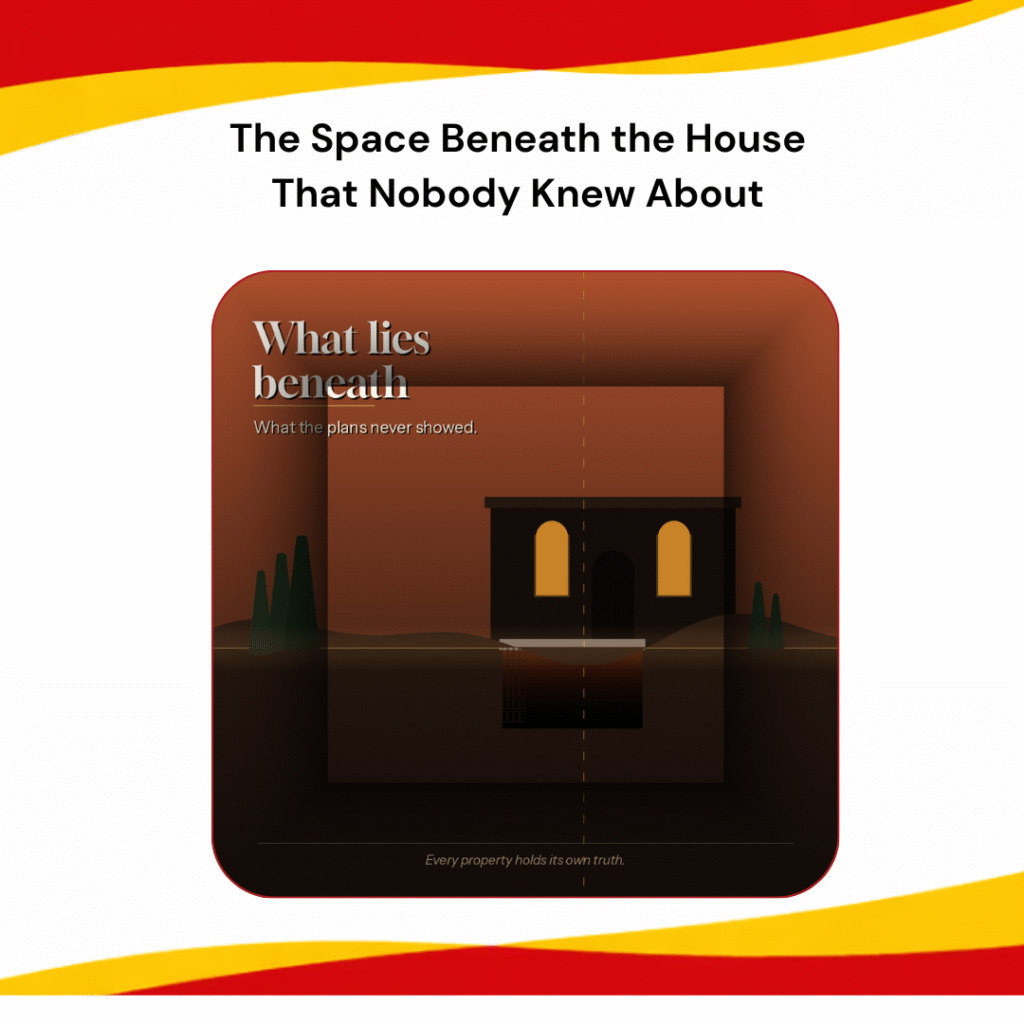
Beneath the house — built into the hillside as many Spanish properties are — there was a large enclosed space. A void. A structure that sat not entirely on the land the seller owned, but that extended over a neighbouring plot belonging to someone else entirely.
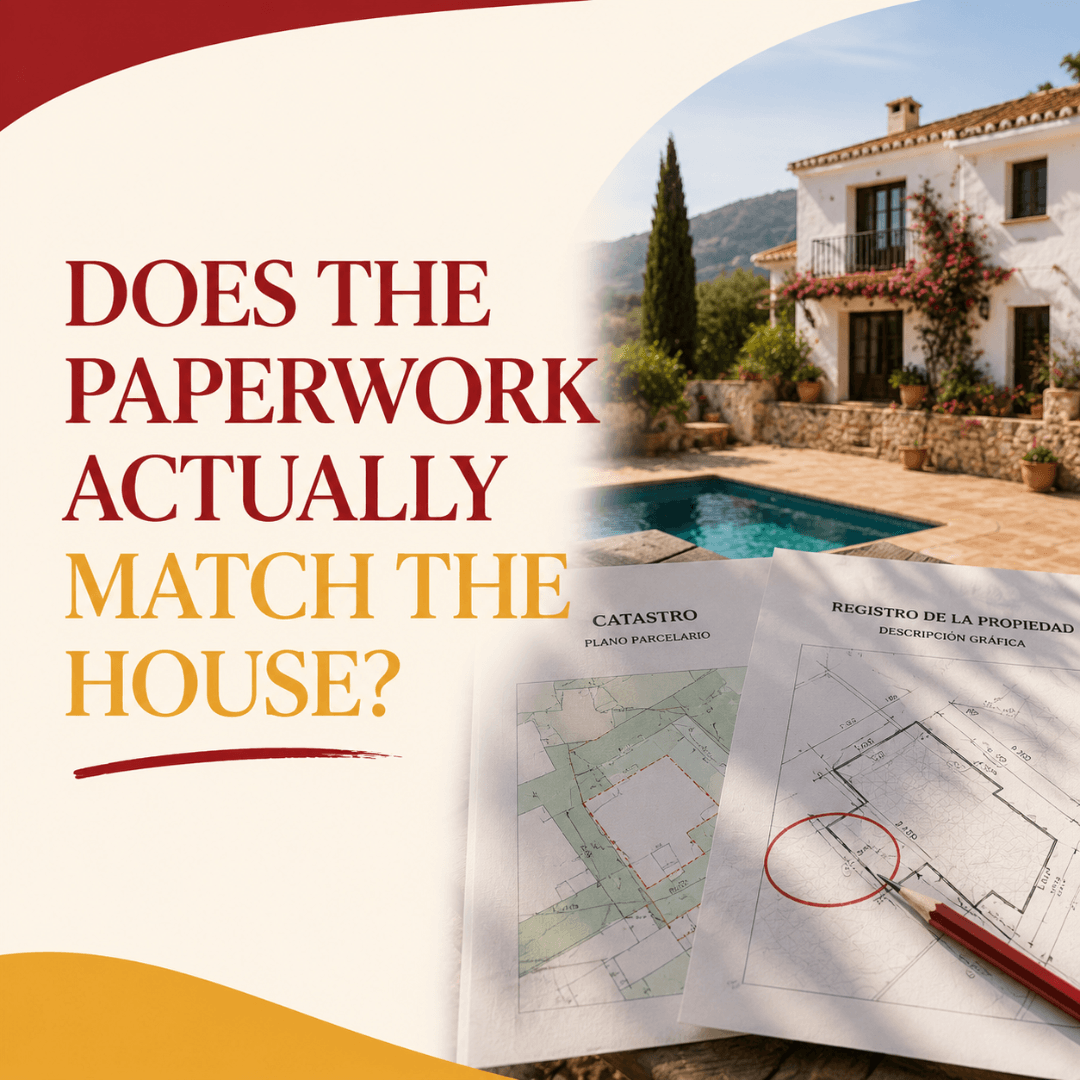
The seller had no idea. How could they? When their original lawyer had signed off on the purchase years earlier, they had reviewed the cadastral plan — Spain’s official property mapping system — and declared the transaction clean. What that plan does not show, however, is what lies in the vertical dimension of a property: what is built underneath, how it sits on the land, and whether any part of that structure encroaches onto someone else’s ground.
A site visit would have shown it immediately. But no site visit had ever taken place.
The Moment the Ground Shifted
When Hola Properties flagged the issue and brought Solving Spain into the process, the mood changed. The buyers — a young Spanish couple who had worked hard to get to this point, who had pictured their life in this home — were understandably shaken. This was not a minor paperwork query. This was a structural question about whether part of the house they wanted to buy was legally sitting on land it had no right to occupy.
For the seller, the weight of it landed differently but just as heavily. Thousands of miles away, managing the sale remotely, they were now confronted with a problem they did not know existed, in a legal system they did not fully understand, with a deal they very much needed to complete.
This is the moment when the quality of your legal advisor truly matters.
What Due Diligence Actually Looks Like
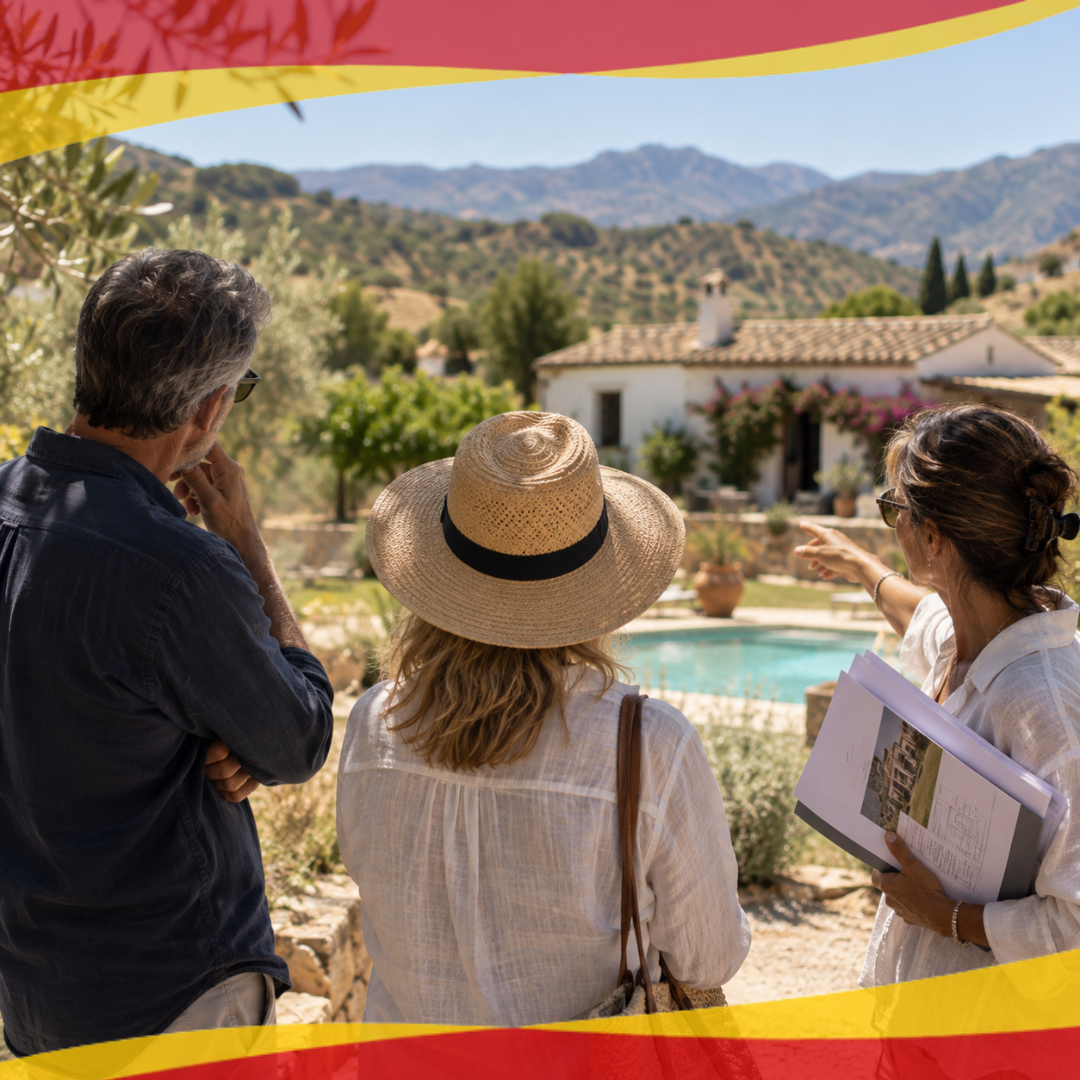
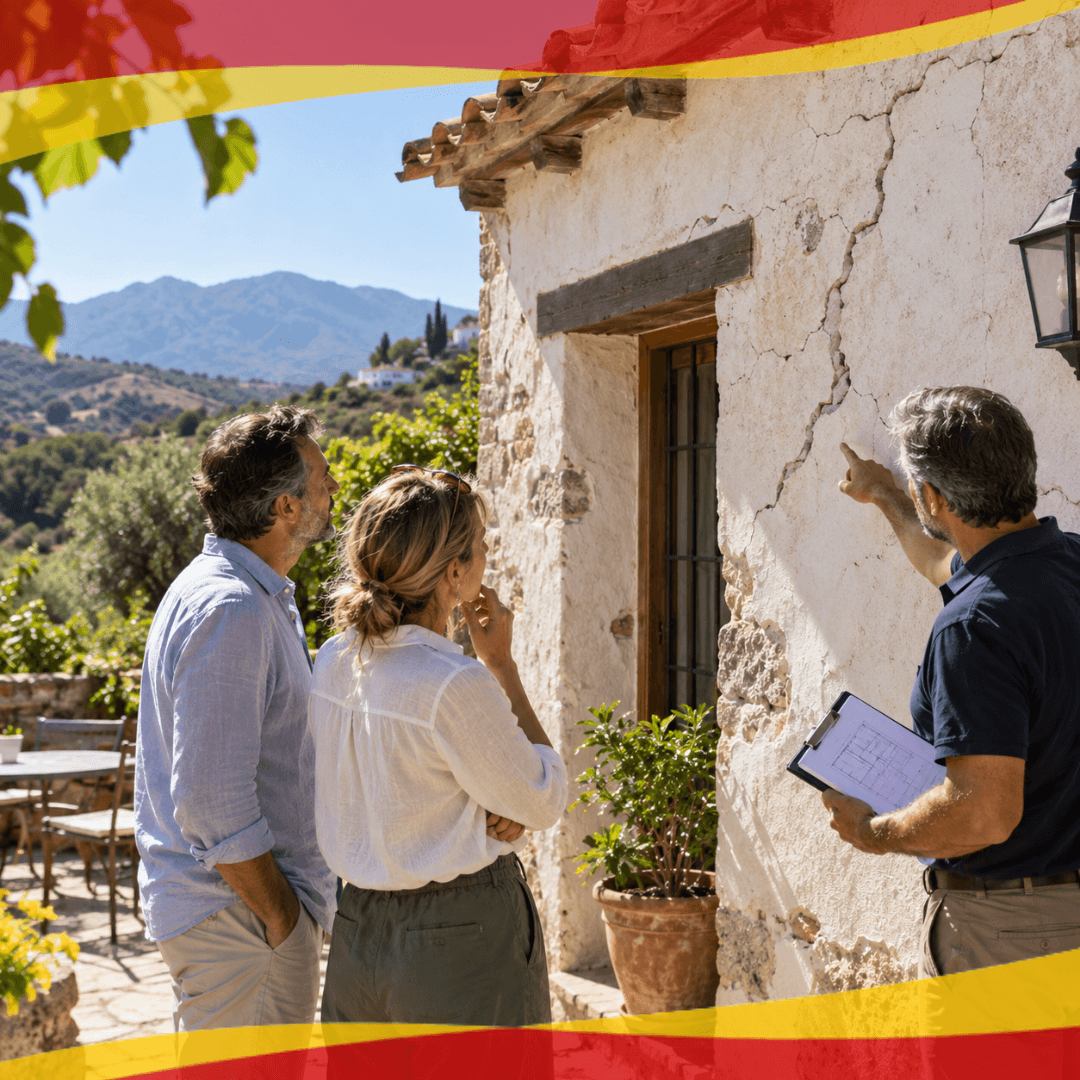
The Solving Spain team did what any thorough legal advisor should always do: they went to see the property themselves.
Standing in that space beneath the house, it was immediately clear what the cadastral plan had never been able to convey. The scale of it. The way the structure sat across the boundary. The nature of the issue. And crucially — the potential path to a solution.
This kind of situation, while it sounds alarming, is not unusual in rural Spain. Properties built into hillsides or on sloped terrain can present exactly these kinds of boundary complexities. They are not automatically deal-breakers. But they absolutely require investigation — proper, physical, on-the-ground investigation — not just a desktop review of official records.
What Solving Spain found, once they had fully examined the situation, was something the original lawyer had never even looked for: a legal route to resolving the encroachment and regularising the property’s documentation entirely.
Finding the Solution Nobody Else Had Found
Spanish property law, for all its complexity, does contain mechanisms for addressing historical boundary anomalies. These are not loopholes — they are proper legal processes, designed precisely for situations like this one, where buildings have been constructed in good faith but where the documentation has not fully caught up with reality.
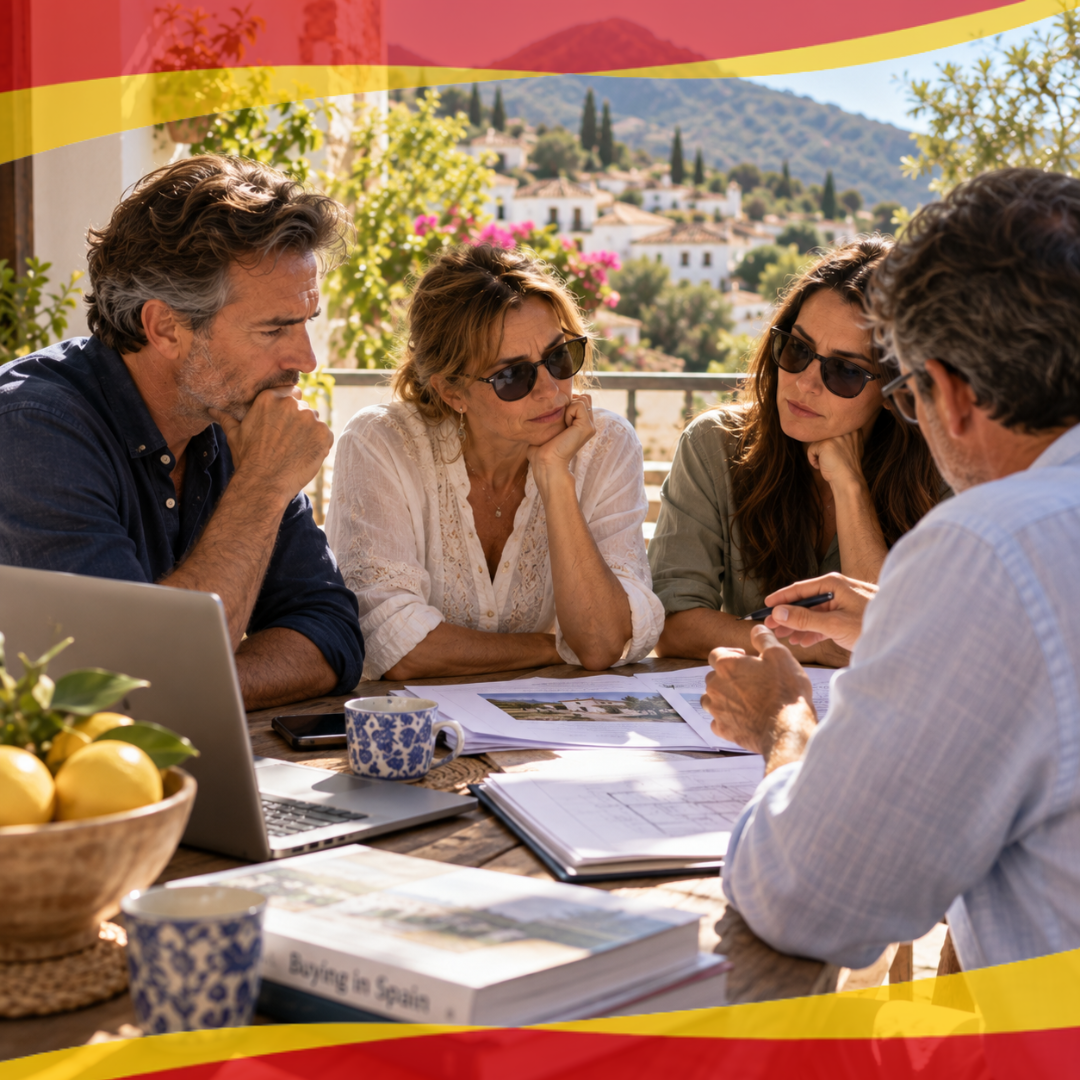
The Solving Spain team identified the applicable process, mapped out the steps, and presented the buyers with a clear picture: not just the problem, but the resolution — and what the property would look like once everything was properly in order.
The relief was real. The couple, who had come so close to walking away, found their confidence restored. Not because they were told to trust and move on, but because they were shown — in plain language, step by step — exactly how this would be resolved.
For the seller, far away in the southern hemisphere, the news came as an enormous weight lifted. The sale was not lost. The years of ownership were not undone by a paperwork problem they had never been told about. And their property — now, finally, properly documented — would be a clean asset for any future transaction.
What This Story Really Tells Us
The original lawyer who told the seller “everything is fine” was, in all likelihood, not dishonest. They probably reviewed the documents available to them and saw nothing that raised a flag on paper. But documents alone do not tell the full story of a Spanish property. The land, the building, the structure, the site — these things speak a language that only a visit can translate.
This is not a rare edge case. Across rural Andalusia and beyond, properties with complicated histories are common. Buildings extended over time. Walls built without permits. Land boundaries that pre-date modern cadastral records. Structures that grew organically, the way life does, without anyone sitting down to check the paperwork at each stage.
None of this makes a property unsellable. But all of it makes a site visit — as part of thorough legal due diligence — not a luxury, but an absolute necessity.
The buyers in this story are now homeowners, settled and secure, with paperwork that fully reflects the home they bought. The seller completed their sale, intact and without the heartbreak of a collapsed transaction. And Hola Properties, whose sharp eye started the whole process of resolution, saw their deal through to a successful close.
Thinking of buying property in Spain?
There are lawyers who will review your documents and tell you everything looks fine. And there are advisors who will go to the property, walk the land, look underneath, look behind, look at what the plans don’t show — and make sure that what you’re buying is genuinely, fully, the property it is supposed to be.
At Solving Spain, we are the second kind.
Because peace of mind isn’t something that comes from a stamp on a document. It comes from knowing that someone who knows Spanish property law — and Spanish properties — has actually stood in your future home and looked you in the eye and said: yes, this is right.