TL;DR: In Spain, valor de referencia and valor catastral are two distinct property values that often get confused. The valor de referencia is set by the Spanish Tax Agency and used to calculate taxes during property transactions, while the valor catastral is set by the local Catastro office and used for ongoing property taxes like IBI. Understanding the difference is key for anyone buying, owning, or inheriting property in Spain—each affects your taxes differently and is updated through separate processes.
In Spain, two key terms are often encountered in the context of property valuation and you may have heard them get mixed up: valor de referencia and valor catastral. Although they both relate to property values, they serve different purposes and are determined through different processes. Here’s a breakdown of the differences between the two:
1. Definition
- Valor de Referencia: This is the reference value established by the Spanish Tax Agency (Agencia Tributaria) for real estate transactions. It is often used as a benchmark for determining the market value of properties and is particularly relevant for calculating the taxes related to buying, selling, or transferring property, such as the Transfer Tax (Impuesto de Transmisiones Patrimoniales – ITP) and the Capital Gains Tax (Plusvalía).
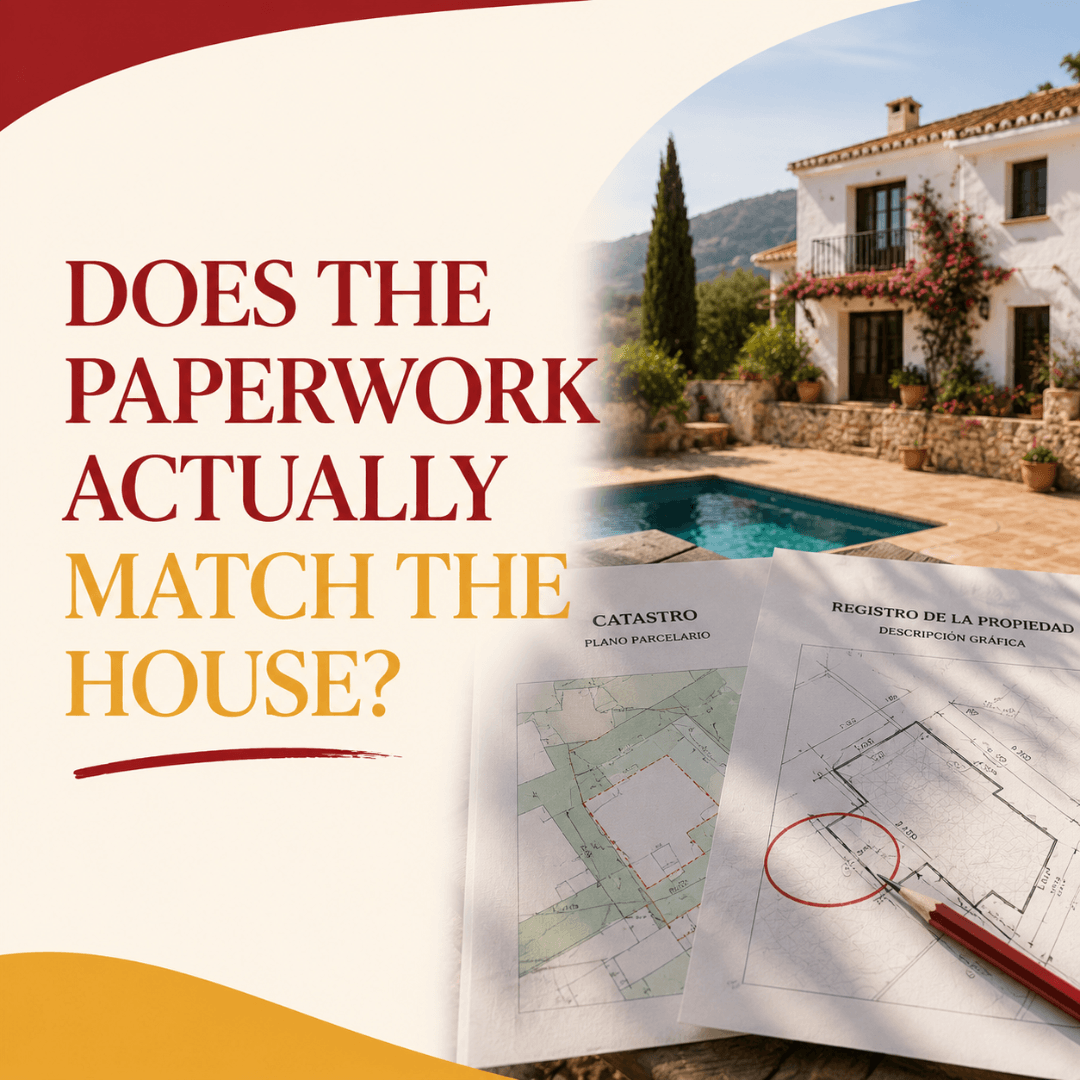
- Valor Catastral: This is the cadastral value assigned to a property by the Cadastral Registry (Catastro). It is used primarily for property tax purposes, such as the annual property tax (Impuesto sobre Bienes Inmuebles – IBI). The valor catastral is determined by the local authorities based on various factors, including location, size, and property characteristics.
2. Purpose
- Valor de Referencia: Its main purpose is to ensure that property transactions reflect a fair market value, helping to combat tax fraud and undervaluation in real estate sales. It can influence the taxes applicable during a property transaction.
- Valor Catastral: The valor catastral serves as a basis for calculating local taxes, particularly IBI. It’s used to determine the tax liability of property owners, and it may also impact other taxes, such as inheritance and gift taxes.
3. Determination
- Valor de Referencia: This value is set by the tax authorities based on various criteria, including the sale prices of similar properties in the area over a specific period. The aim is to align this value with actual market conditions to reflect a more accurate market price.
- Valor Catastral: The valor catastral is determined by the local cadastral office and takes into account a range of factors, including property characteristics (size, age, materials, etc.), location, and general market conditions. This value may not necessarily reflect the current market price.
4. Variability
- Valor de Referencia: This value can fluctuate frequently based on current market conditions and recent sales data. It is updated regularly to ensure that it remains in line with the real estate market.
- Valor Catastral: While it can be updated, the valor catastral is generally more stable and may not change as frequently as the valor de referencia. Changes usually occur during periodic re-evaluations or following significant property improvements or modifications.
5. Use in Transactions
- Valor de Referencia: It is primarily used in the context of property transactions and taxation related to those transactions. When purchasing a property, the valor de referencia can influence the taxes due on the transfer of ownership.
- Valor Catastral: It is primarily used for ongoing property taxation, influencing the annual property tax bill that owners must pay. It may also be relevant when considering the financial implications of owning a property in Spain.
Conclusion
In summary, while both valor de referencia and valor catastral are important in the context of property ownership in Spain, they serve different purposes, are determined through different methods, and have different implications for property owners and buyers. Understanding these distinctions is crucial for effective financial planning and compliance with tax regulations in Spain. If you have any questions about how these values might impact your property or investment, feel free to reach out for expert advice!
Navigating the complexities of Spanish property taxes can be challenging, but It Doesn’t Have to Be Spainful!. Contact us today for expert assistance and clarification for your property here in Spain.