TL;DR: Got your Non-Lucrative Visa (NLV) approved? Congrats! 🎉 Now it’s time to take the next steps to settle into life in Spain. First, collect your visa from the consulate, then travel to Spain and register at your local town hall (empadronamiento). Within 30 days, apply for your TIE residence card. Don’t forget to switch your driver’s license if needed, set up utilities, and (optionally but wisely) start learning Spanish. Finally, integrate into your community and enjoy your new life abroad.
Need a hand with the process? We’ll guide you every step of the way—because It Doesn’t Have to Be Spainful!
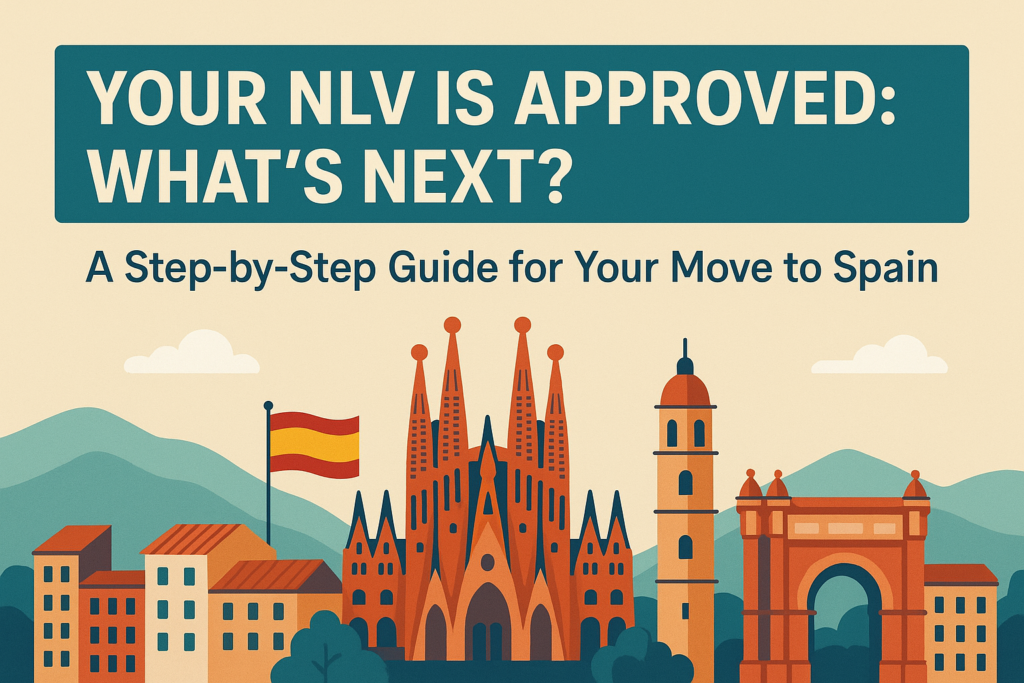
Congratulations! Getting your Non-Lucrative Visa (NLV) approved is a big milestone, and you’re now one step closer to starting your new life in Spain. But what comes next? Moving to a new country can feel overwhelming, especially when there are so many bureaucratic steps to navigate. This guide will walk you through the essential steps you need to take after your NLV is approved to make your move to Spain as smooth as possible.
Step 1: Collect Your Visa from the Consulate
Once your NLV is approved, you’ll receive an official notification from the Spanish Consulate where you applied. You typically have around one month to collect your visa in person.
- Tip: Double-check the visa’s start and expiration dates to ensure everything is correct. This initial visa is typically valid for 90 days, allowing you entry into Spain, where you will need to finalize your residency.
Step 2: Plan Your Move and Enter Spain
After collecting your NLV, it’s time to make travel arrangements. Make sure you arrive in Spain within the validity period of your visa.
- Book Accommodation: If you haven’t already secured long-term housing, arrange for temporary accommodation like a hotel or Airbnb while you search for a permanent home.
- Prepare Essential Documents: Carry all necessary documents, including your passport, visa, proof of health insurance, and other paperwork provided by the consulate.
Step 3: Register at Your Local Town Hall (Empadronamiento)
Once you’ve arrived in Spain and settled into your new home, one of the first things you need to do is register at the local town hall (Ayuntamiento). This process, known as empadronamiento, is essential for many administrative tasks and helps prove your residence in Spain.
- What You Need: Passport, rental contract or property deed, and possibly a utility bill.
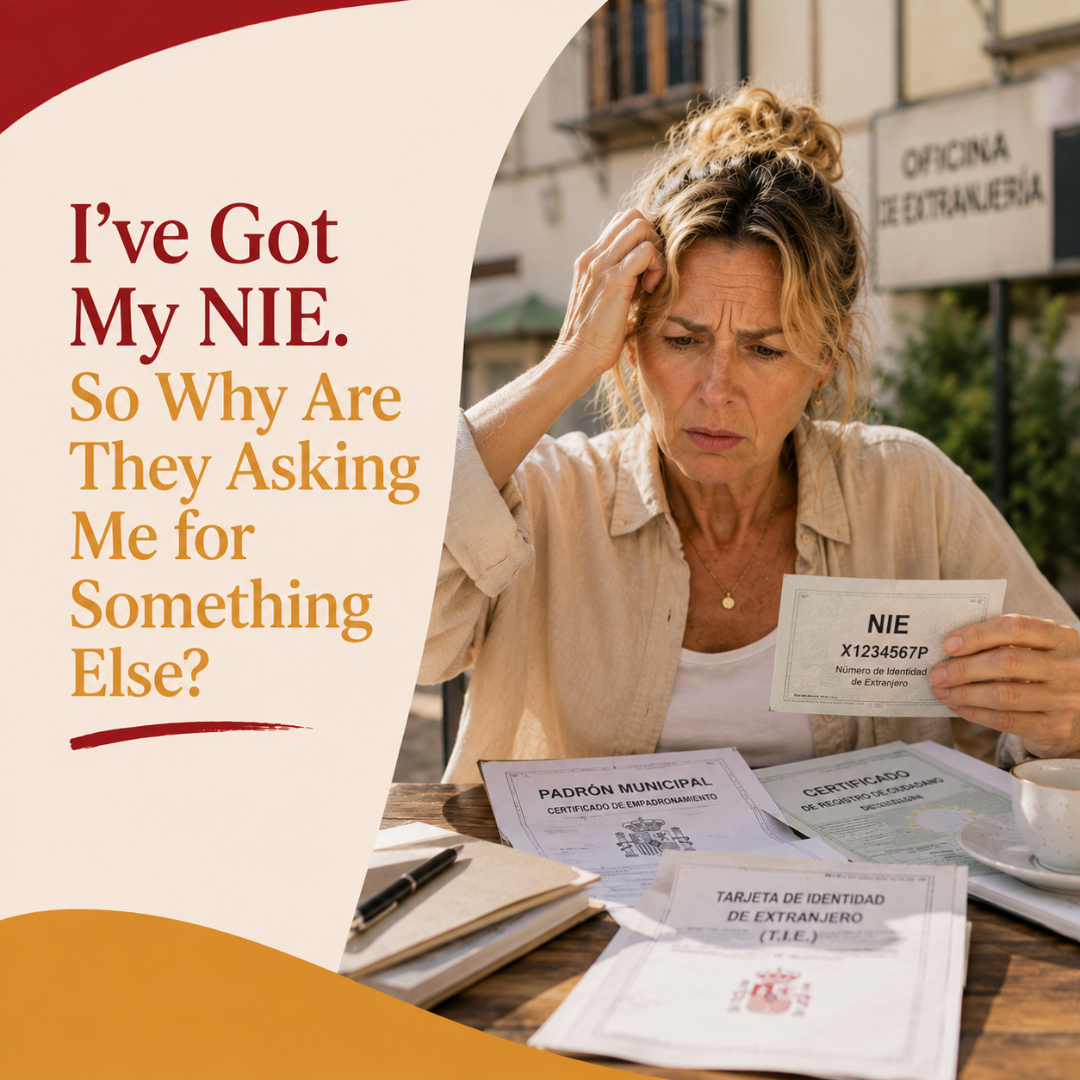
- Why It’s Important: Your empadronamiento certificate (Certificado de Empadronamiento) is required for many processes, such as obtaining a TIE card or registering for healthcare.
Step 4: Apply for Your TIE Card (Tarjeta de Identidad de Extranjero)
With your empadronamiento certificate in hand, your next step is to apply for your TIE (Tarjeta de Identidad de Extranjero), which serves as your Spanish residence card. You must apply for this within 30 days of arriving in Spain.
- Make an Appointment: Book an appointment at your local immigration office (Extranjería) or police station.
- What You Need: Bring your empadronamiento certificate, passport with visa, visa application documents, application form, and passport-size photos, and payment of the state administration fee.
- Important Note: You’ll need to pay a small fee and provide your fingerprints during the appointment. Once your TIE is ready (usually within a few weeks) in quite a few locations you’ll need to book a second appointment to collect your card.
Step 5: Change Your Driver’s License (if applicable)
If you plan to drive in Spain, you need to change your foreign driver’s license to a Spanish one. While citizens from certain countries can simply exchange their license, others may need to pass a driving test.
Step 6: Sort Out Utilities and Contracts
If you’ve moved into your own home or long-term rental, you’ll need to set up utilities (electricity, water, internet) and register for local services. Be prepared with your TIE and proof of residence, as these documents are often required to set up contracts.
- Tip: Consider hiring a gestoria (administrative assistant) if you find the process overwhelming or don’t speak Spanish fluently.
Step 7: Enroll in Language Classes (Optional but Highly Recommended)
Learning Spanish is not only helpful for everyday life but also makes the transition smoother and more enjoyable. Look for local language schools, community centers, or online courses to start learning Spanish as soon as possible.
Step 8: Integrate into the Community
Building a social network and integrating into the local community is key to feeling at home in Spain. Join local clubs, attend community events, and make an effort to connect with both locals and expats.
- Join Expats Groups: Many cities have active expat communities that offer support and social activities.
- Explore the Area: Take time to explore your surroundings, try local cuisine, and immerse yourself in Spanish culture.
Need Help with Your Move to Spain?
Moving to Spain can be daunting, but it doesn’t have to be stressful. Let us help you navigate the process every step of the way—from getting your TIE card to purchasing your new home. Contact us today to make your move as smooth as possible.
It Doesn’t Have to Be Spainful!